Clinics involved in kari4covid-19 speak out ⬇️
What is Kari4Covid-19 and how Kari is supporting hundreds of telerehabilitation patients
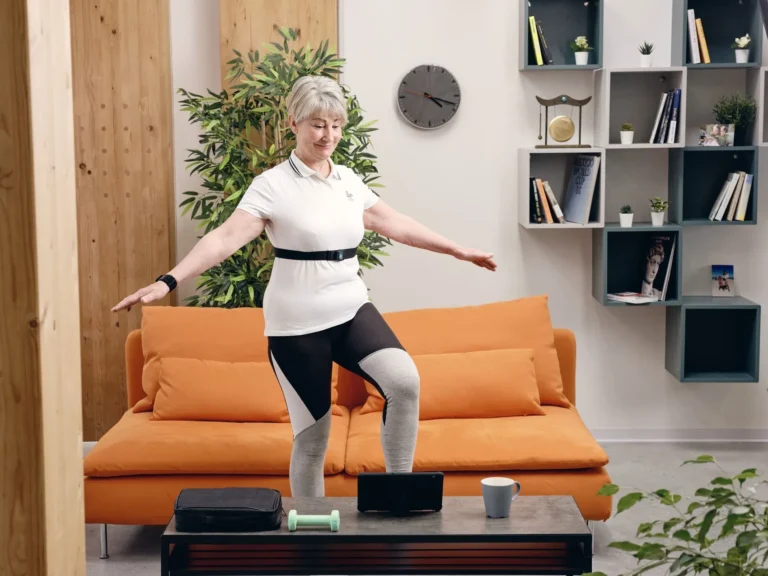
Telerehabilitation patients are people who can continue from their own home the rehabilitation path they have started in the clinic. They’ll be monitored remotely by their movement expert (Physiatrists, Physiotherapists, or Motor Science Experts).
Kari4Covid-19 is a project of Euleria patronaged by VRT Foundation and aimed at popularizing Kari, the CE Class 1/m medical device specifically for in-clinic and remote exercise-therapy delivery.
Telerehabilitation: Kari4Covid-19 | Phase 1: remote exercise-therapy
Phase 1 of Kari4Covid-19 began in thesummer 2020: Thanks to the support of VRT Foundation, Euleria distributed Kari (and related technical training) to 50 rehabilitation patients from A.T.S.M. Franca Martini Centerof Trent; concurrently, about 20 physical therapists attached to the same center were trained about the use of the patient management and monitoring platform.
The usability study initiated at the same time as Phase 1 prompted Euleria to involve FBK | Fondazione Bruno Kessler’s eHealth group,which was responsible for analyzing reports, interviews, and questionnaires delivered to the therapeutic pairs (physical therapist + patient) involved in Kari4Covid-19.
In addition, FBK has built a prototype chatbot, accessible via Telegram, to guide patients struggling with Kari in a psycho-educational path aimed at also strengthening their ability to Effectively manage situations of discomfort and stress understandably related to the lockdown situation and physical remoteness from the relevant rehabilitation center.
Kari4Covid-19 | Phase 2: the new clinics involved
The data collected and analyzed during Phase 1 provided a valuable pool of studies for subsequent developments of Kari4Covid19.
Phase 2, in fact allowed Euleria to expand Kari’s usability criteria and make the teleriabilitation service even more inclusive, through:
- The addition of new exercises dedicated to specific rehabilitation paths;
- The integration of the videocall function, for expert monitoring of the patient
- The implementation of voice commands, to operate the device in touchless mode.
At the same time, it was possible to incorporate the experiences of Kari4Covid-19 into Euleria Telerehab, the portal that allows users to:
– navigate a network of physical therapists and exercise science doctors and find the right movement professional for your problem;
– Book a video consultation to request a personalized exercise-therapy plan;
– receive Kari and begin the path of telerehabilitation, from the comfort of your own home, under the close monitoring of your chosen professional.
Phase 2 of Kari4Covid-19 therefore continued with the further involvement of:
- 50 patients with different clinical picture
- 3 rehabilitation centers on the Italian territory
- 10 rehabilitation professionals
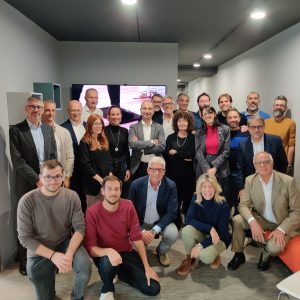
In addition to the ATSM Franca Martini Center, from whose availability Kari4Covid-19 originated, Euleria was in fact pleased to deliver Kari to three other physiotherapy and multi-specialty clinics. Specifically:
Flexor Lab of Perugia
CS F-Medical Group of Frosinone
Kinesis Medical Studio in Varese, who we asked what role a device like Kari played in the rehabilitation context of their center.
Kinesis recounts the experience with Kari for telerehabilitation patients at the multi-specialty and physiokinesiotherapy practice
Kinesis is located in Cardano del Campo, in the province of Varese, and is among the centers that have chosen to join Kari4Covid-19. It was born in 2015, following a personal experience of owner Asia Severo who, after surgery and a lot of rehabilitation, chose to acquire the business where she had her last period of treatment and create a clinic that had patients’ emotions and feelings at its center.
With respect to the remote rehabilitation service offered by Euleria, how is Kari supporting the Kinesis team?
“Kari allows physical therapists to create a personalized exercise program for the patient that is adaptable to his or her needs,” Asia Severo says. “It also allows us to monitor the proper performance of the exercises and to communicate directly with the patient, even in cases of difficulty and pain.”

With respect to Kari4Covid19, by what criteria were patients selected for inclusion in the project?
“The criteria used to choose the patients to be included in the Kari4Covid-19 project,” Asia Severo continued, “were essentially two:
- the possibility of continuing the rehabilitation course undertaken in the studio;
- The ability to be able to handle the provided device independently.
The first criterion was definitely the main criterion for patient selection. In fact, the patients were selected so that they could continue the therapy started in the first phase in the study and continue it at home, having guidelines and continuous support from the physical therapist, so that they could achieve better results or maintain the results achieved through Kari.”

According to the Kinesis team, what role do devices like Kari play in the rehabilitation and physical therapy context?
“Technology has become more and more a part of our lives in recent years, and physical therapy is no different,” explain Michela Penati, Emanuele Bellini and Valeria Mele, Kinesis Physiotherapists. “The Kari device allows the patient to be able to continue at home, in comfort and safety, the therapy begun in the office. The person thus has the opportunity to feel cared for and supported even at home, communicating with the physical therapist directly through the app.”
“On the other hand, the physical therapist is also always in contact with the patient,” they add, “In fact, Kari allows the practitioner to easily monitor the progress of rehabilitation (thanks to the parameters provided by the application) and immediately detect any problems the patient may have. All these features make Kari very useful during clinical practice, especially in the emergency health care context we are experiencing.”